When the days begin
to open up
There is always a temptation, on arriving somewhere new, to begin using it immediately. Bags are put down, doors opened, plans compared. Somebody wants to see the pool. Somebody else has already found the kitchen. The first bottle is opened before everyone has quite worked out which house they are in.
The first hours belong to finding the place. Coats collect in the mudroom. Children choose bunks. Someone discovers the view south across French Flanders; somebody else finds the chair they will return to all week. The group expands across the estate, then gathers again almost without arrangement.
By evening, the Barn has begun to do what it was made to do. People arrive from different directions — the pool, the Farmhouse, the garden — and separate conversations find their way to the same table. The great windows lift, the garden enters the room and dinner starts when it is ready.
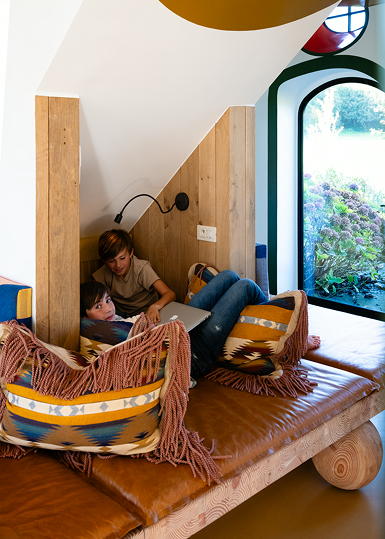
By the second morning, the geography has started to become routine. Coffee is taken in the same place. A book remains beside a chair because nobody needs to clear it away. Wet towels find their route back from the pool. One person walks before breakfast; another is never seen before the second pot of coffee.
This is when the estate begins to work less like somewhere rented and more like a house the group knows how to inhabit. People can be together without having to do the same thing. A morning can divide between a swim, a long breakfast and a walk into the woods, then come together again over lunch.
By the third morning, the Farm no longer feels like somewhere you are staying. It has begun to feel like yours.
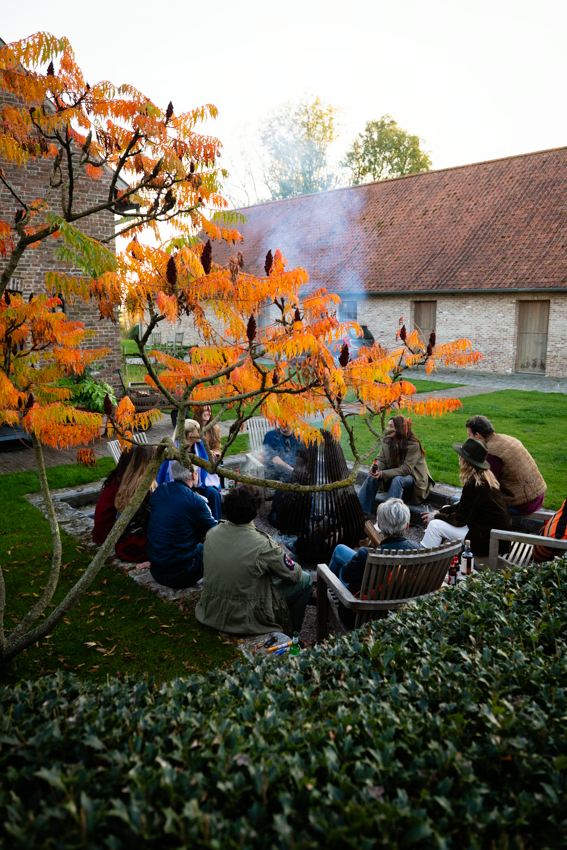
A day at the Farm need not announce itself. It might begin beside the pool while the valley is still quiet, move through a game of pétanque and end at the fire pit in the last of the sun. Lunch in Walled Potager can take most of an afternoon, particularly when lighting the fire, picking something from the garden and opening a bottle are allowed to count as part of lunch.
There is also room to disappear. The houses hold different moods: the easy-going rooms of Western Farmhouse, the quieter salon of Provence Lodge, a chair in the garden that catches the light at the right hour. Being together is easier when nobody is required to be together all the time.
A longer stay does not need a fuller programme. It simply lets one part of the estate lead naturally to another, without turning the day into a sequence of appointments.
The Kemmelberg is not an excursion added to the Farm. It begins at the gate. Paths rise into the woodland behind the houses; small roads fold through vineyards, villages and the slopes of French Flanders. You can leave on foot without first deciding how far you intend to go.
Further away, Ypres asks for more than a passing hour. Lille can hold a long lunch and a slower afternoon. The history of the Westhoek, the border landscape and the places we genuinely like are all close enough to become part of a stay — but not so close that everything must be fitted into the same day.
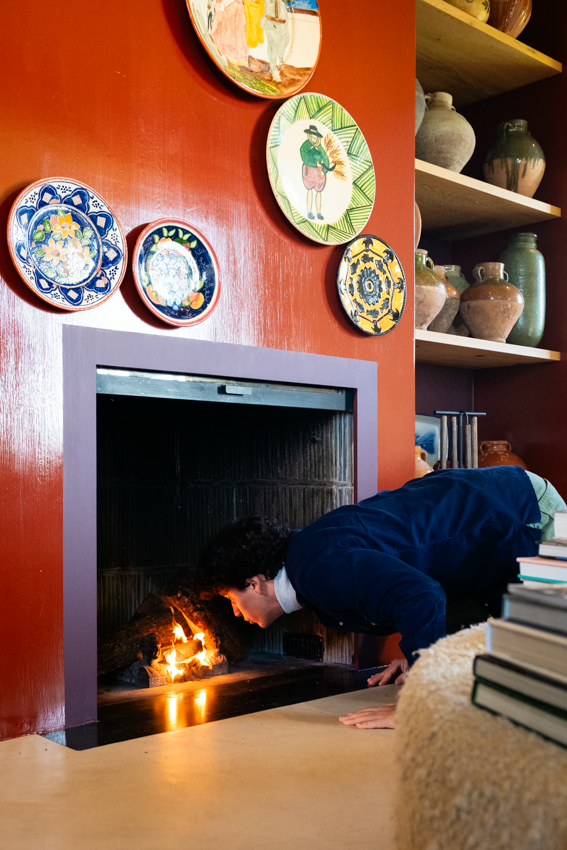
Returning matters too. Come back with muddy boots, bread from somewhere found along the way or a bottle chosen over lunch. The gate closes again. The fire is lit. What lies beyond the Farm becomes part of the day precisely because there is time to come home to it.
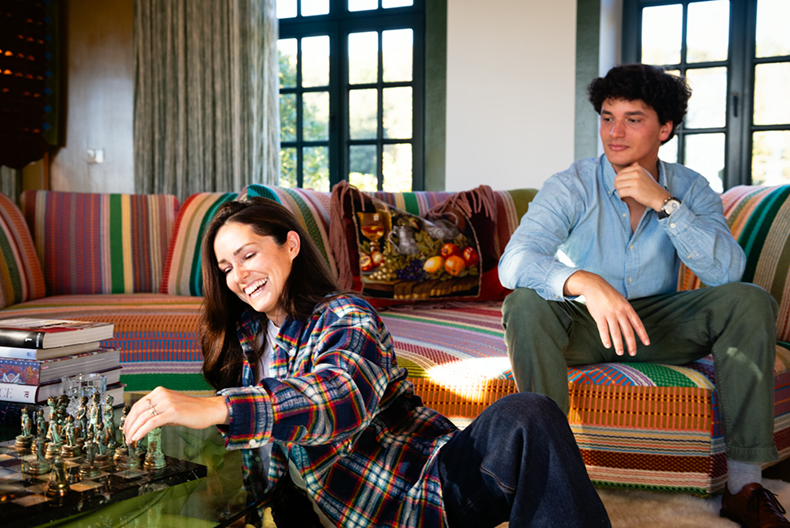
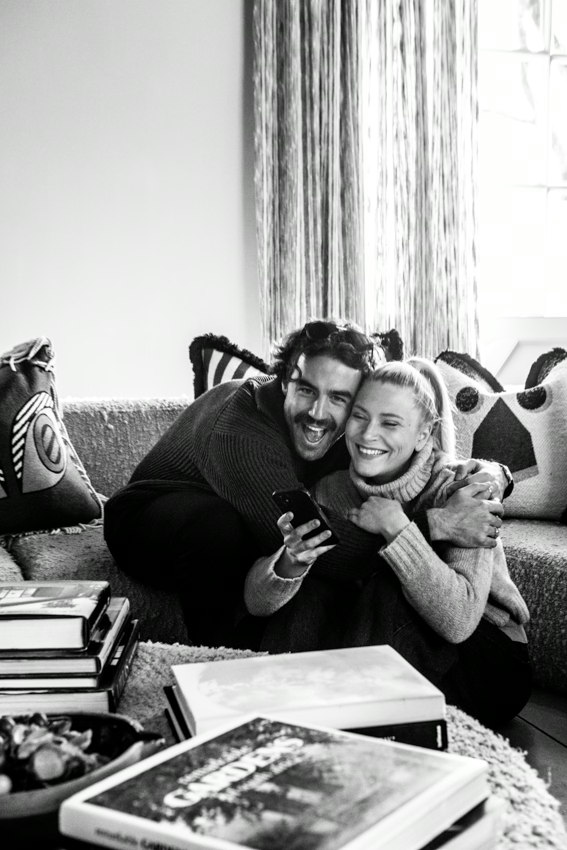
Belonging rarely arrives as a grand feeling. More often, it appears through repetition: the same cup in the morning, a preferred place at the table, knowing which door opens towards the Potager and where the evening sun will fall.On an Independent Stay, those small rituals belong entirely to the group. On a Curated Stay, the house moves quietly around them: breakfast waiting, a room restored, a wet coat returned dry, coffee appearing at the moment it would be welcome. Either way, familiarity is allowed to build.A short stay can be wonderfully full. A longer one leaves a margin around the plans — and it is often in that margin that the best parts settle: an unplanned lunch, another walk, the conversation that would otherwise have been cut short.